Secure Chicken Run Enclosure
Highlighted under: Comfort Dish Collection
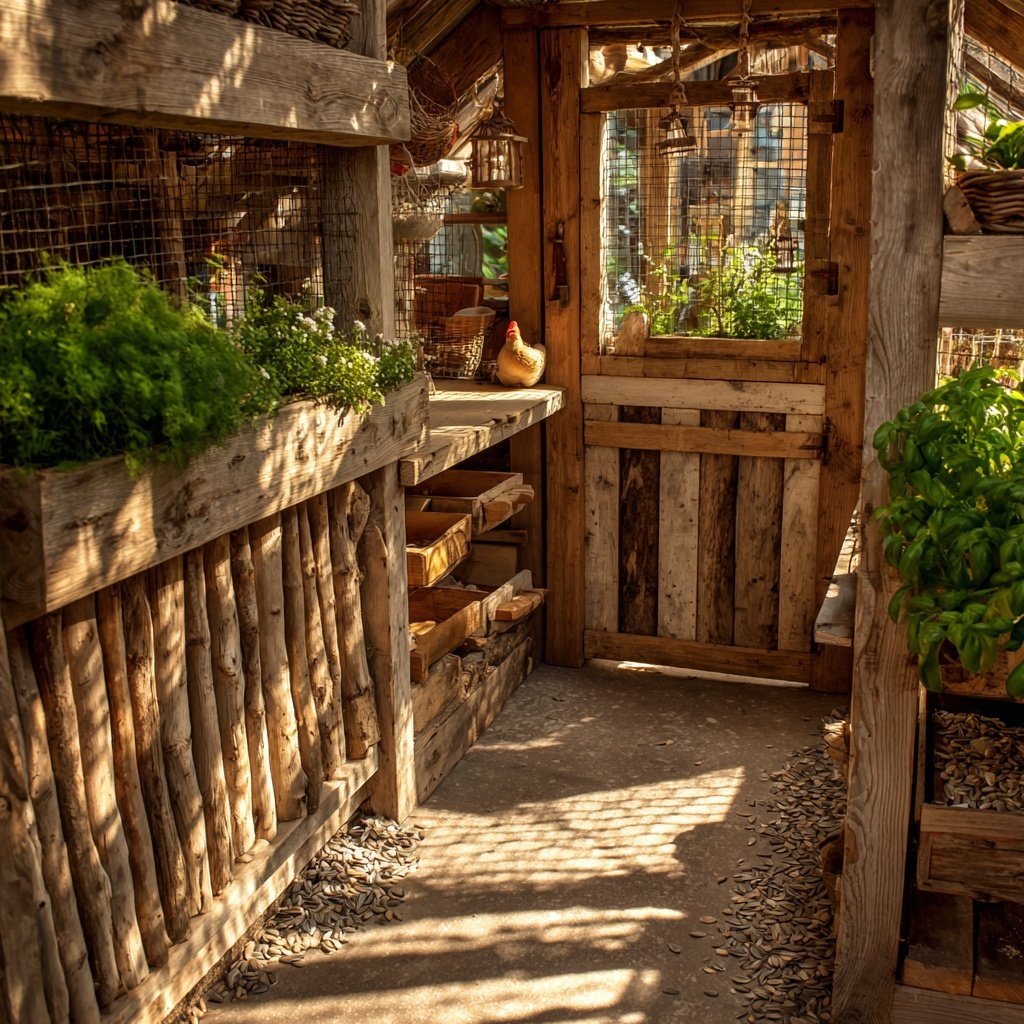
When I set out to create a secure chicken run enclosure, I knew it had to be safe yet functional. I wanted my chickens to have the freedom to roam while being protected from predators. This build has been a journey of trial and error, but I've learned valuable tips along the way. I found that using sturdy materials and proper anchoring techniques are key to a lasting and secure structure. Plus, incorporating some natural elements makes it a more enjoyable space for my feathered friends!
Building a secure chicken run enclosure was a dream of mine, but turning that dream into reality proved challenging. I spent countless weekends researching materials and layouts before finally starting the build. What worked best for me was using a blend of wood and wire fencing. This combination not only provided strong protection but also allowed for ventilation. My chickens love the space, and I love knowing they're safe!
Throughout this project, I discovered that the layout matters more than I initially thought. Keeping the run spacious and incorporating sheltered areas for shade made a huge difference for my birds. They happily scratch and explore, and I achieved the balance of safety and comfort I've always wanted.
Why You'll Love This Enclosure
- Robust design that stands up to predators
- Spacious layout ensuring ample room for activity
- Natural elements that enhance the chickens' well-being
Design Considerations
When designing your chicken run, it's crucial to think about both durability and functionality. Using wooden posts that are at least 4x4 inches in size ensures a sturdy structure that can withstand various weather conditions and potential predator attacks. Additionally, planning the dimensions of the enclosure should take into account the number of chickens you have, ideally allowing 10 square feet per bird to promote their health and happiness.
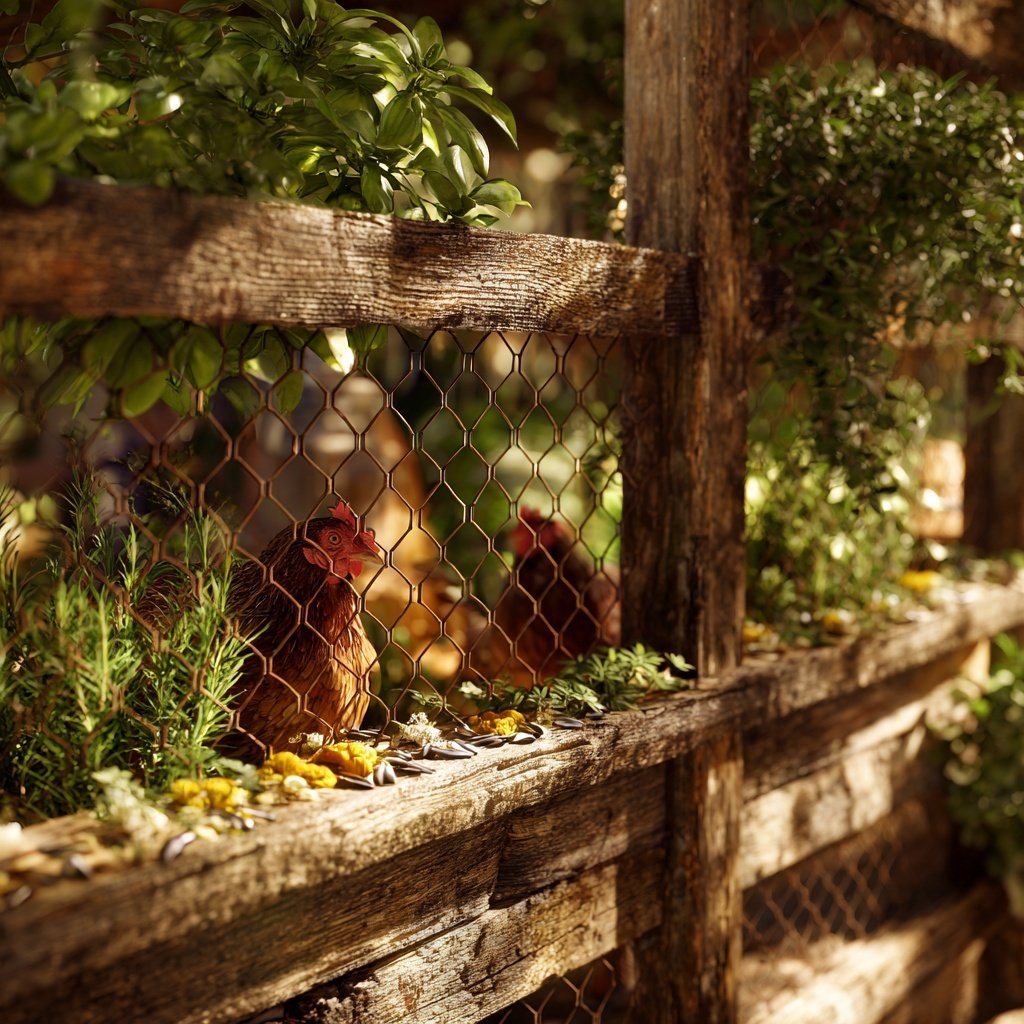
Incorporating natural elements into the design can significantly enhance your chickens' well-being. Adding higher perches or shade plants not only provides cover from direct sunlight but also encourages instinctive behaviors like scratching and nesting. I recommend selecting hardy native plants that require minimal maintenance and can tolerate the occasional pecking from curious chickens.
Materials and Tools
Choosing the right materials is essential for building a secure enclosure. Wire mesh fencing with a gauge of 16 or higher is preferable, as it's tough enough to deter most predators. When attaching the fencing, using heavy-duty staples will ensure it stays taut and secure. I found that checking for gaps after installation is a critical step to avoid any escape or intrusion risks. Regular inspections every few months also help to address any wear and tear.
For the construction process, a few essential tools will make your job easier: a post-hole digger for setting the posts, a staple gun for securing the wire mesh, and a saw for cutting wooden planks to size. If you're opting for a roof, ensure you have extra materials and plan for an additional day to accommodate the installation. This added time will guarantee a robust and safe structure.
Materials Needed
Main Supplies
- Wooden posts (4x4 inches)
- Wire mesh fencing
- Wooden planks for the floor
- Heavy-duty staples
- Gate hinges and latch
- Concrete mix (optional for anchoring)
- Natural shade plants (optional)
Additional Recommendations
Building Steps
Plan the Layout
Start by choosing a level area in your yard for the enclosure. Measure and mark the dimensions to ensure enough space for your chickens.
Set the Posts
Dig holes for the wooden posts and set them in place. Consider using concrete to anchor them for additional stability.
Attach the Wire Fencing
Roll out and attach the wire mesh fencing to the posts, ensuring it's tight and secure. Use heavy-duty staples to keep it in place.
Add the Roof (optional)
If you're in an area with high predator risks, consider adding a roof to your enclosure using wooden planks or additional wire mesh.
Install the Gate
Attach the gate using hinges and ensure that it opens and closes easily but securely locks when shut.
Enrich the Space
Add natural shade plants or perches inside the enclosure. This not only gives your chickens comfort but also encourages healthy behavior.
Finishing Touches
Pro Tips
- Always check for gaps or areas that might weaken over time. Regular maintenance will ensure your enclosure remains secure and enjoyable for your chickens.
Safety Features
Installing a gate with quality hinges is a vital step in ensuring the safety of your chicken run. Opt for a gate that fits tightly within the frame and includes a reliable latch that secures it against both curious animals and the weather. Check the gate regularly for any signs of wear or loosening to maintain security over time.
It might be worth considering adding a perimeter dugout around the base of your posts. Burying wire mesh fencing several inches underground helps prevent foxes and raccoons from digging underneath the enclosure. This simple tactic can greatly reduce the chances of your flock facing a predator attack.
Maintenance Tips
To keep your chicken run in top shape, regular maintenance is key. This includes checking the fence for any holes or wear, inspecting the posts for rot or damage, and ensuring the gate operates smoothly. Cleaning the inside of the enclosure periodically will also help maintain a healthy environment for your chickens. Remove droppings and leftover feed to prevent attracting pests.
If you notice any rust spots on your wire fencing or hinges, treat them immediately with rust-inhibiting spray or replace the affected elements. A small amount of regular upkeep can extend the lifespan of your enclosure significantly and contribute to the overall well-being of your chickens.
Questions About Recipes
→ How deep should I bury the wire fencing?
It's recommended to bury the fencing at least 12 inches deep to prevent predators from digging under.
→ What is the best type of wood to use for the posts?
Pressure-treated lumber is a good choice as it is resistant to decay and insect damage.
→ Can I leave the chickens outside during bad weather?
It's best to provide a sheltered area within the run where your chickens can stay dry and warm during inclement weather.
→ How often should I clean the chicken run?
Cleaning the run at least once a week helps reduce odors and maintain a healthy environment for your chickens.
Secure Chicken Run Enclosure
Created by: Megan Douglas
Recipe Type: Comfort Dish Collection
Skill Level: Intermediate
Final Quantity: 1 enclosure
What You'll Need
Main Supplies
- Wooden posts (4x4 inches)
- Wire mesh fencing
- Wooden planks for the floor
- Heavy-duty staples
- Gate hinges and latch
- Concrete mix (optional for anchoring)
- Natural shade plants (optional)
How-To Steps
Start by choosing a level area in your yard for the enclosure. Measure and mark the dimensions to ensure enough space for your chickens.
Dig holes for the wooden posts and set them in place. Consider using concrete to anchor them for additional stability.
Roll out and attach the wire mesh fencing to the posts, ensuring it's tight and secure. Use heavy-duty staples to keep it in place.
If you're in an area with high predator risks, consider adding a roof to your enclosure using wooden planks or additional wire mesh.
Attach the gate using hinges and ensure that it opens and closes easily but securely locks when shut.
Add natural shade plants or perches inside the enclosure. This not only gives your chickens comfort but also encourages healthy behavior.
Extra Tips
- Always check for gaps or areas that might weaken over time. Regular maintenance will ensure your enclosure remains secure and enjoyable for your chickens.
Nutritional Breakdown (Per Serving)
- Calories: 0 kcal
- Total Fat: 0g
- Saturated Fat: 0g
- Cholesterol: 0mg
- Sodium: 0mg
- Total Carbohydrates: 0g
- Dietary Fiber: 0g
- Sugars: 0g
- Protein: 0g